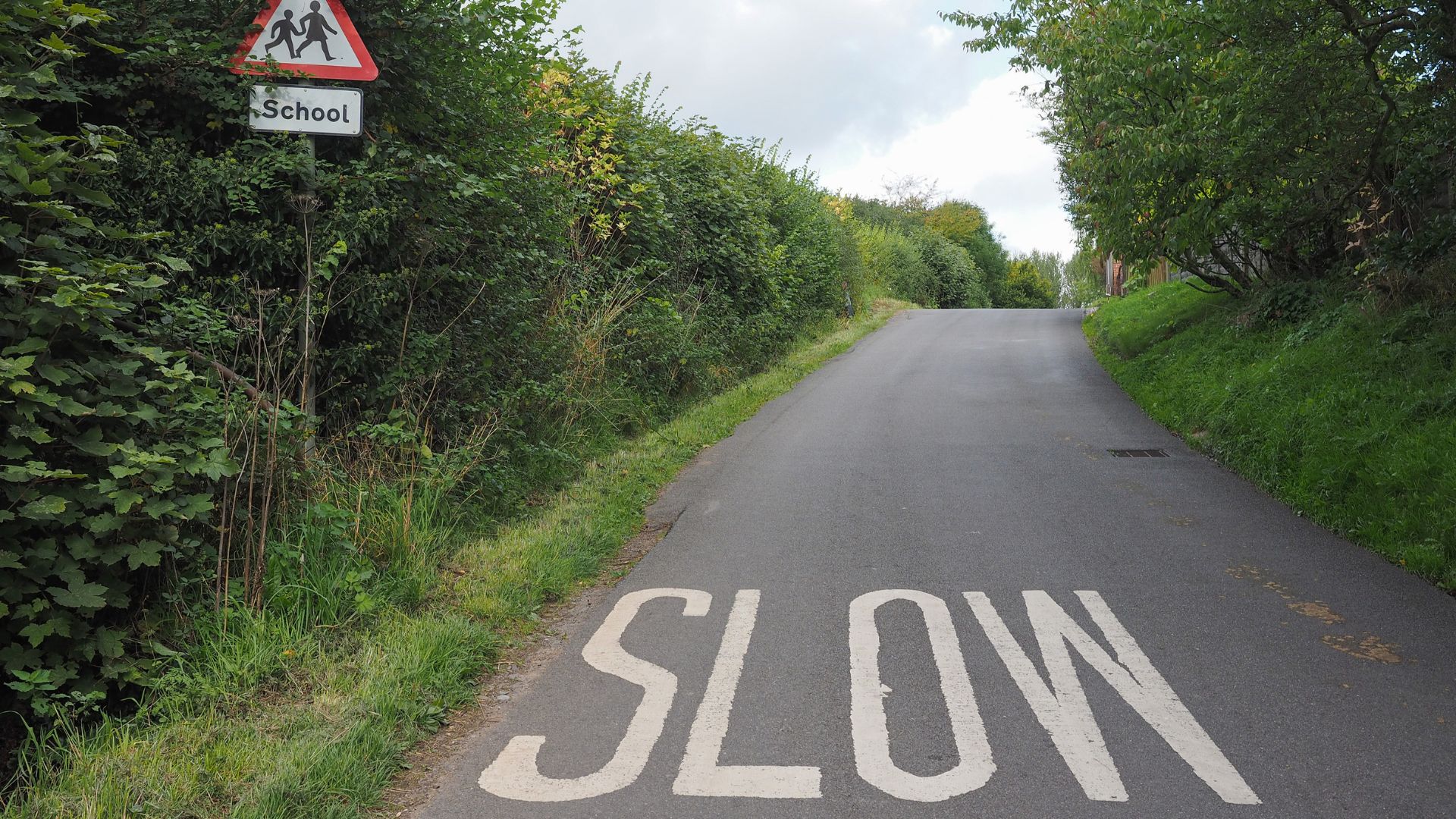

Slow down.
Specifics charge our storytelling. Often, however, the effort to remember has us talking at a pace that prevents their discovery — as if we’re in a rush before the store closes. But only you hold keys to this store.

If I were watching a movie about that moment, what would I see?
Movies don’t show us every detail, just what directors want us to see. In an essay, your details not only set a scene, they show us what you pay attention to, and that can reveal a lot about what you care about.

Why do you think you did that?
Students often take for granted the decisions they make (“Of course I did it that way, who wouldn’t?”), but those choices are what make a story interesting and uniquely yours. They can help show the reader how you became the person you are today.

You don’t need to know why … yet.
You might not know why a memory sticks with you — and that’s okay. The most interesting essay topics often start with not knowing, and evolve from a place of curiosity. We’ll discover together, through conversation, why that memory had such staying power and significance.

You’re the protagonist.
The reader needs someone to root for, and it’s you! But only if you let us in. What hope drives you to take action in your story? What fear makes that hard? “Protagonist” isn’t a synonym for “hero.” Be honest.

Tell me more.
Sometimes a closer look at a story will yield a detail that leads someplace new. An “insignificant” item — a pickup truck on a dirt road outside a military base where you grew up, for instance — might lead to a memory you hadn’t thought to explore.